A client came to us with a problem:
Their operations were held together with duct tape and SaaS subscriptions.
They spent $80K on a custom operations platform.
Here's what happened next.
What the platform replaced:
1. Three SaaS tools: $2,400/month
→ Project management: $600/mo → CRM: $1,200/mo → Invoicing: $600/mo
Annual cost: $28,800
2. Two part-time admin roles: $48,000/year
These roles existed to manually connect the systems above.
→ Copying data between platforms → Reconciling invoices → Generating reports
The platform automated all of it.
3. Manual process errors: $15,000/year
→ Duplicate invoices sent to clients → Missed project deadlines due to missed notifications → Lost data from manual transfers
These errors cost real money. The platform eliminated them.
The ROI math:
Year 1: → Platform cost: $80,000 → Savings: $91,800 (SaaS + labor + errors) → Net: +$11,800 → ROI: 15%
The platform paid for itself in 11 months.
Year 2: → Platform cost: $12,000 (maintenance only) → Savings: $91,800 → Net: +$79,800 → ROI: 130%
Year 3: → Platform cost: $12,000 → Savings: $91,800 → Additional revenue enabled: $50,000 (faster project delivery) → Net: +$129,800 → ROI: 245%
3-year total:
→ Total invested: $104,000 → Total return: $359,200 → Net gain: $255,200
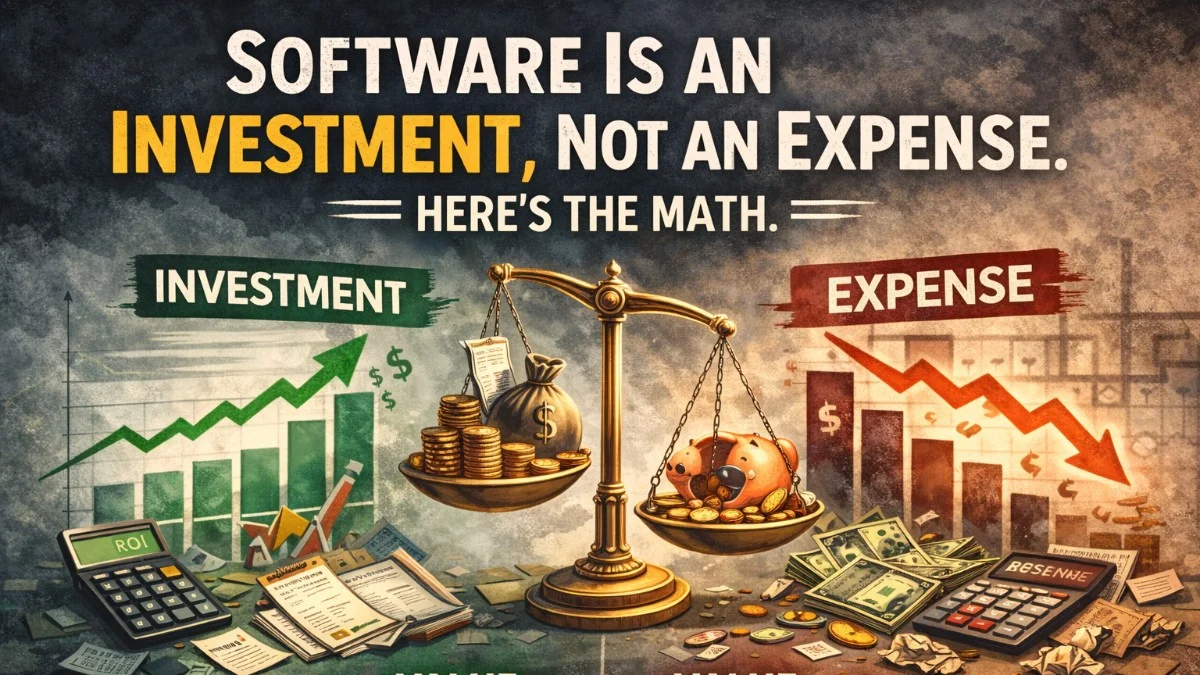
That $80K wasn't a cost.
It was an investment that paid for itself in under a year and continues to return value.
This is what separates software expenses from software investments:
→ Expenses are costs you can't recover. → Investments generate returns that compound.
If you can't measure the ROI, you're not investing.
You're just spending.
What's the best ROI you've seen from a software investment?
#SoftwareDevelopment #ROI #BusinessGrowth #TechInvestment #CaseStudy
→ scopeforged.com
Philip Rehberger Founder, ScopeForged scopeforged.com