I've seen it a hundred times.
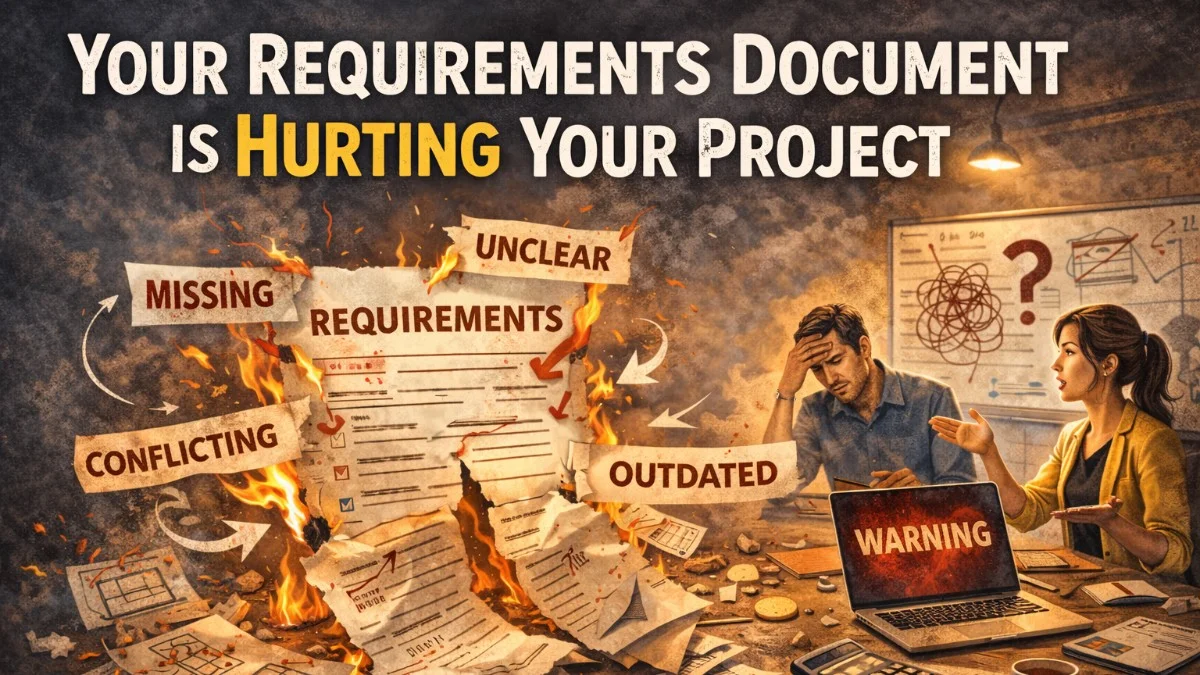
A prospective client shows up with a 50-page requirements document. They spent weeks on it. They're proud of it. And it's going to hurt their project.
Here's why.
The doc describes solutions instead of problems. Page after page of "the system shall do X" without explaining WHY anyone needs X. We end up building what they specified, not what they actually need.
It locks in assumptions before discovery. Those assumptions were made in a vacuum, before talking to developers, before understanding technical constraints, before considering alternatives.
It creates false confidence. The client thinks everything is figured out. In reality, the hard questions haven't been asked yet.
What Actually Works
Describe the business problems you're solving.
→ Who are your users? → What pain points are they experiencing? → What outcomes define success? → What constraints do you have (budget, timeline, compliance)?
Then let the technical team propose solutions.
A 2-page problem statement beats a 50-page spec every single time.
In our discovery phase, we work backwards from outcomes. We challenge assumptions. We explore alternatives. We find simpler solutions to complex problems.
The best projects start with clarity about the problem, not premature certainty about the solution.
What's your experience with requirements docs? Have you ever built something exactly as specified only to realize it wasn't what you needed?
#SoftwareDevelopment #ProductStrategy #TechLeadership #RequirementsGathering #Discovery
→ scopeforged.com
Philip Rehberger Founder, ScopeForged scopeforged.com