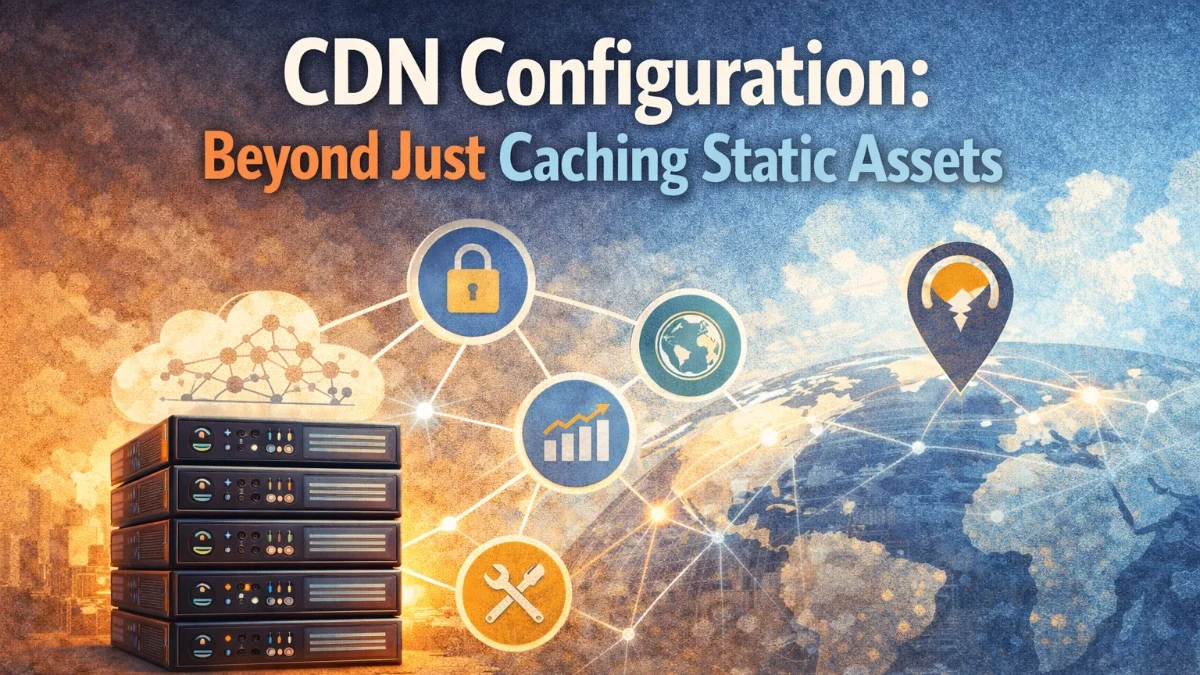
CDN Configuration: Beyond Just Caching Static Assets
Most teams configure their CDN to serve static files and call it done. A properly configured CDN does far more — handling security, routing, performance optimization, and origin protection.
Application performance, optimization, and scalability techniques.
Most teams configure their CDN to serve static files and call it done. A properly configured CDN does far more — handling security, routing, performance optimization, and origin protection.
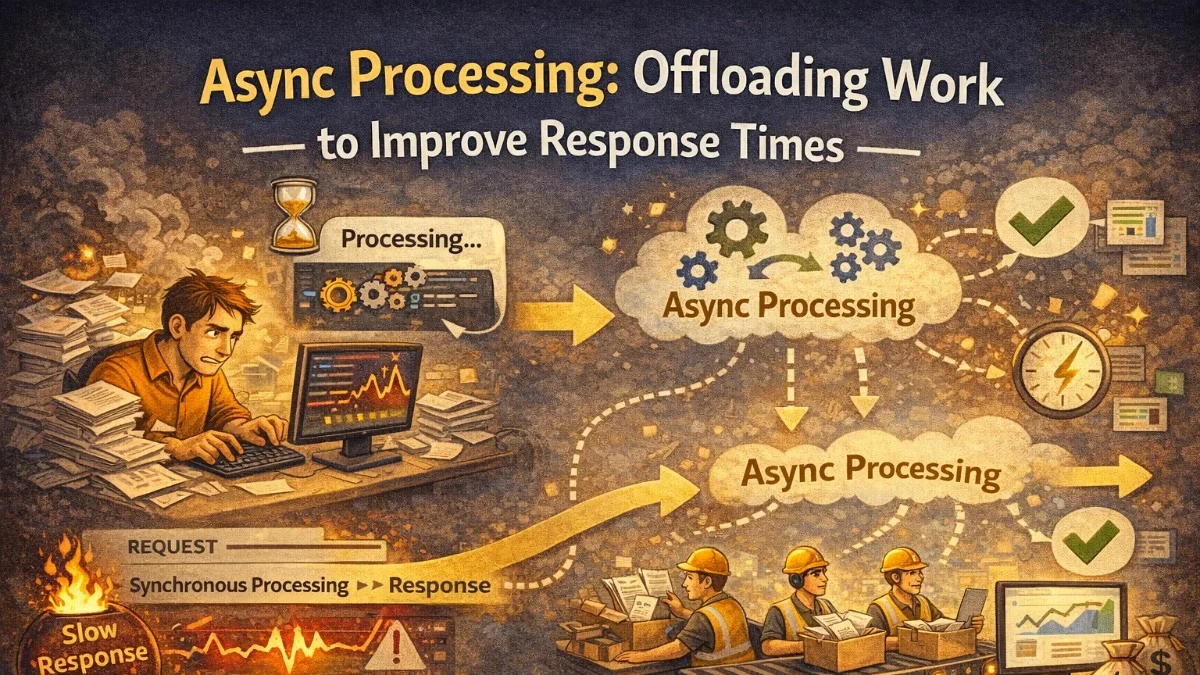
Synchronous request handlers that do too much work make every user wait. Async processing separates the response from the work, letting you respond instantly and process in the background.
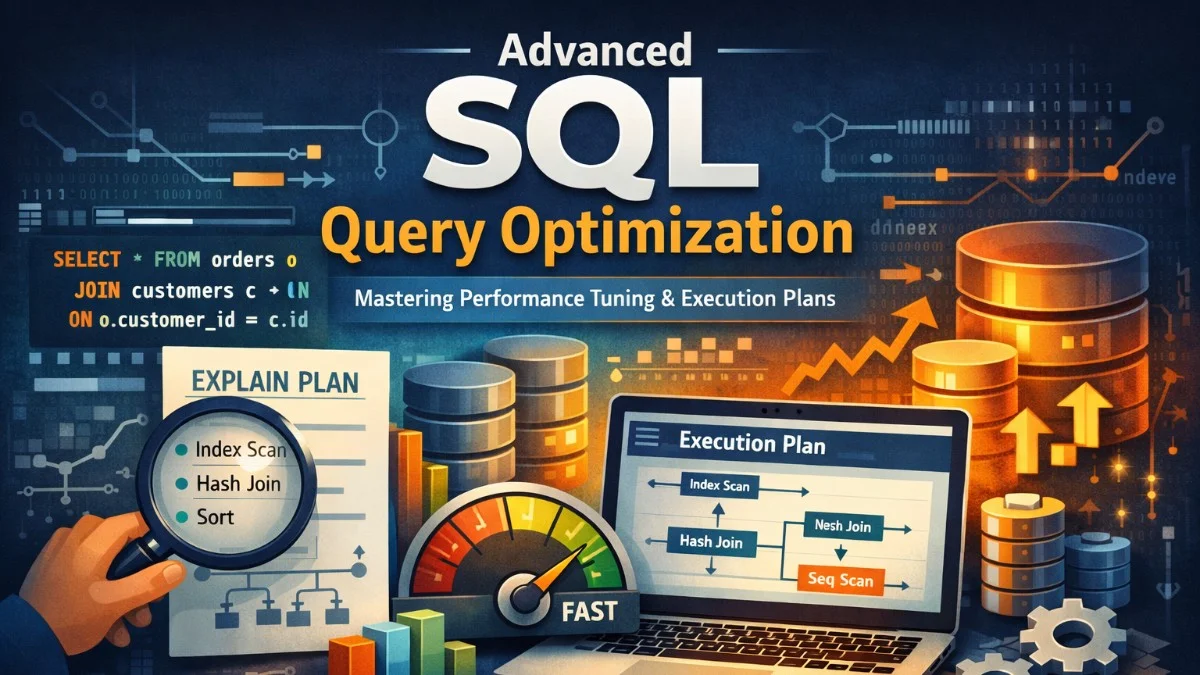
EXPLAIN plans tell you exactly what your database engine is doing to execute a query — whether it's using indexes, how many rows it's scanning, and what it costs. Learning to read them is essential for database performance work.
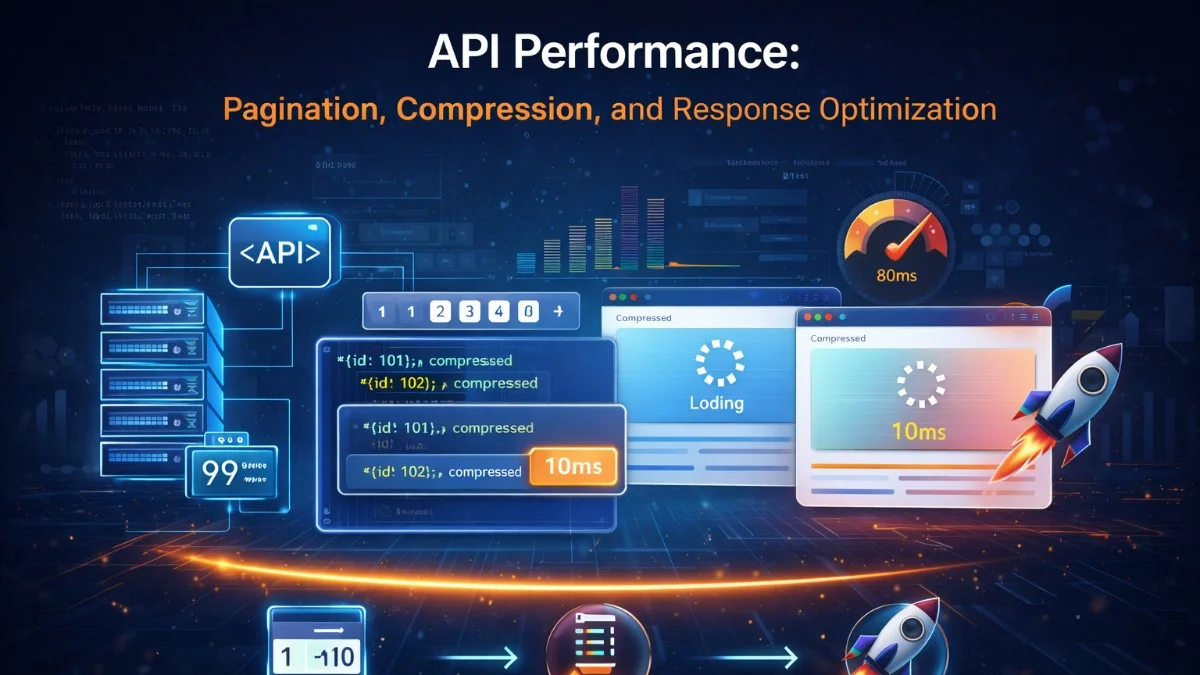
API performance affects every client that depends on your system. Learn the practical techniques that make APIs fast — proper pagination, compression, response shaping, and efficient serialization.
Local profiling finds some problems, but the bottlenecks that actually hurt users only appear at production scale and under real traffic patterns. Learn how to profile safely in production.
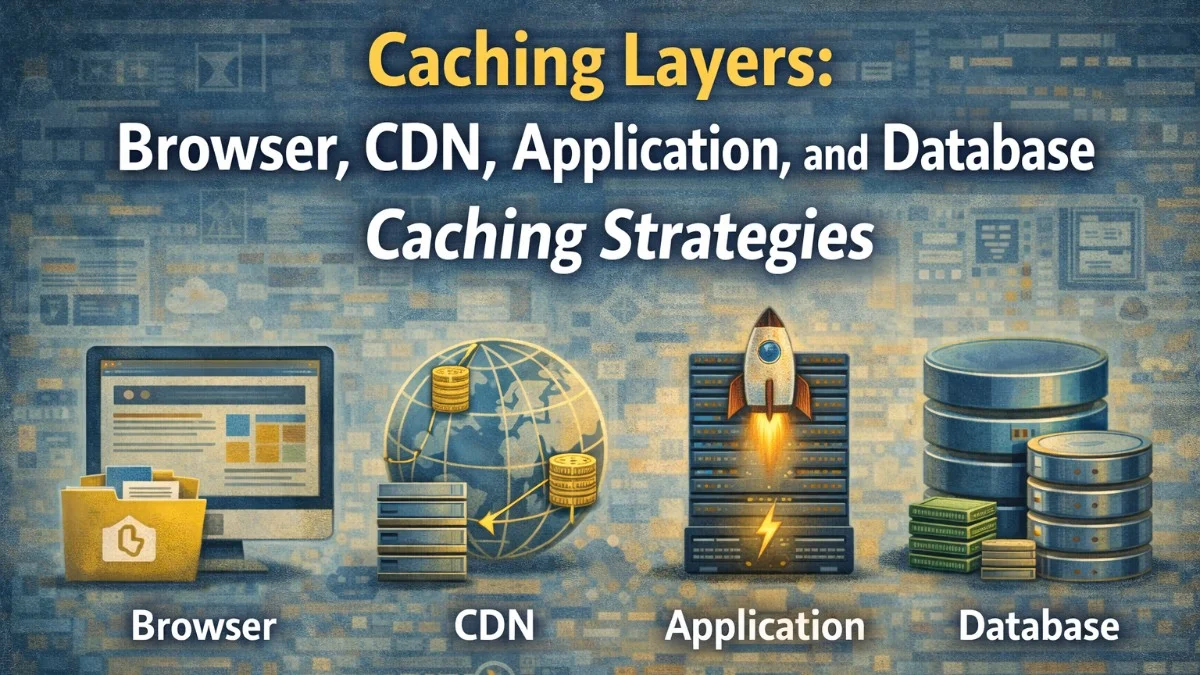
Caching at multiple layers — browser, CDN, application, and database — is one of the most reliable ways to improve performance and reduce infrastructure costs. Learn where each layer fits and how to configure them correctly.
Core Web Vitals aren't just SEO metrics — they measure real user experiences that affect conversion and retention. Learn what drives each metric and the concrete techniques to improve them.
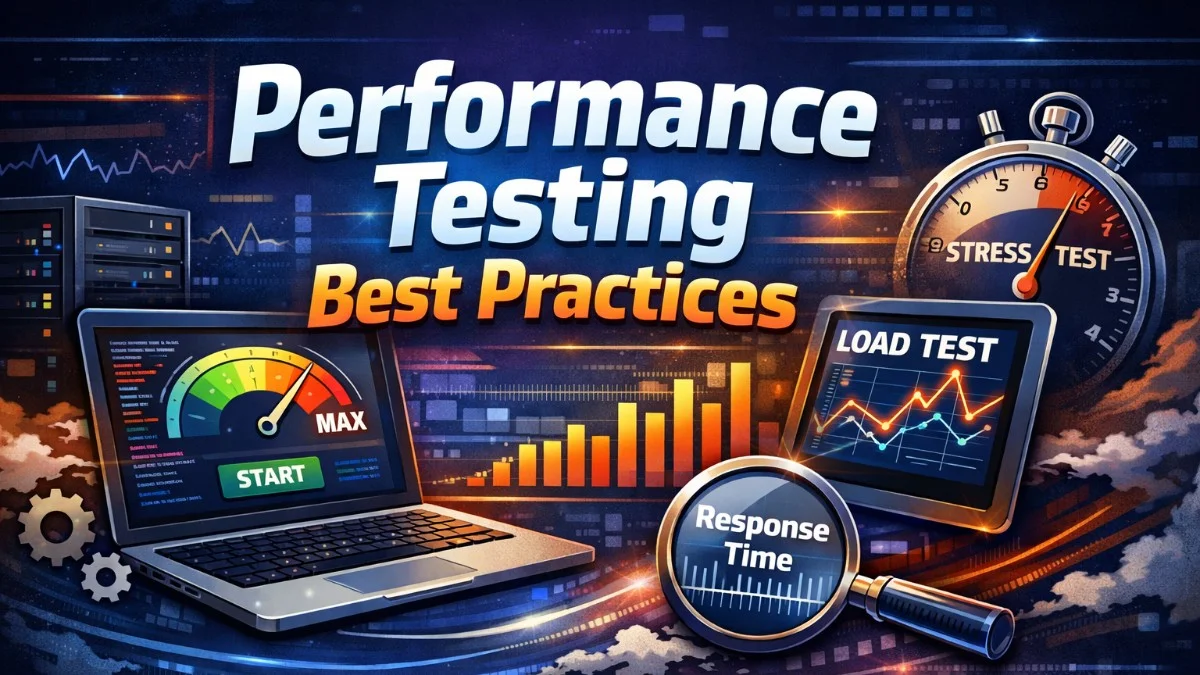
Design meaningful performance tests. Create realistic load profiles, identify bottlenecks, and establish baselines.
Scale pods automatically based on metrics. Configure HPA with CPU, memory, and custom metrics for optimal scaling.
Master Prometheus for application monitoring. Learn PromQL, alerting rules, and Grafana dashboard best practices.
Master query performance tuning. Analyze execution plans, optimize joins, and use database-specific features.
Solve the hardest problem in computer science. Learn TTL, event-based, and write-through invalidation patterns.
Let's discuss how we can help you build reliable software.
We use cookies to analyze site usage and improve your experience. By continuing to use this site, you agree to our use of cookies. Learn more about our privacy policy