Injecting Secrets into Infrastructure: Vault, KMS, and SSM Patterns
Get secrets to running infrastructure without checking them into Git or your Terraform state.
Application security, best practices, and vulnerability prevention.
Get secrets to running infrastructure without checking them into Git or your Terraform state.
Layer DDoS defenses across DNS, CDN, and origin. Includes rate-limiting and bot management.
Move past default rule sets to a WAF configuration that catches threats without false positives.
Stop pasting long-lived AWS keys into Actions. OIDC, environment scoping, and pinned actions.
Sign commits, tags, and artifacts with verifiable identity. Covers Sigstore and key management.
Express controls as testable code rather than wiki pages. Reduces audit prep from weeks to days.
Use Open Policy Agent for K8s admission, IaC, and API authorization. Includes Rego patterns.
Rotating secrets manually is how they stop getting rotated. Automate your credential lifecycle and your secrets stay fresh without depending on anyone remembering to do it.
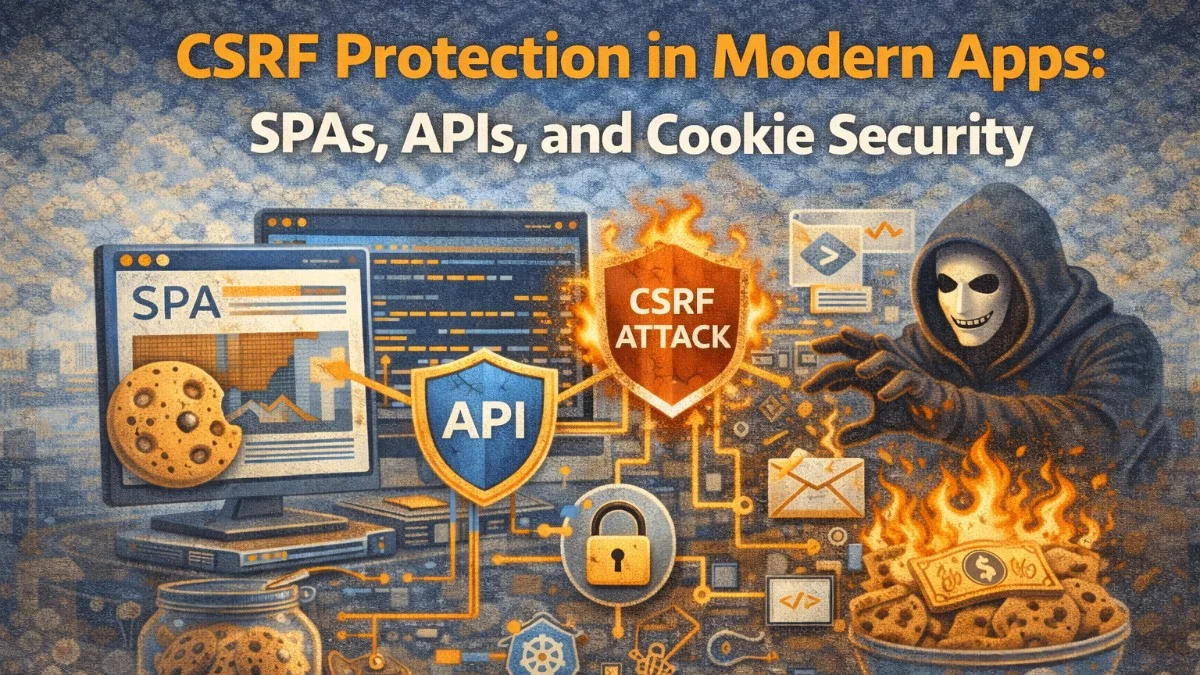
CSRF protection used to be simple: add a token to every form. Modern apps with SPAs, APIs, and complex cookie configurations require a more nuanced approach.
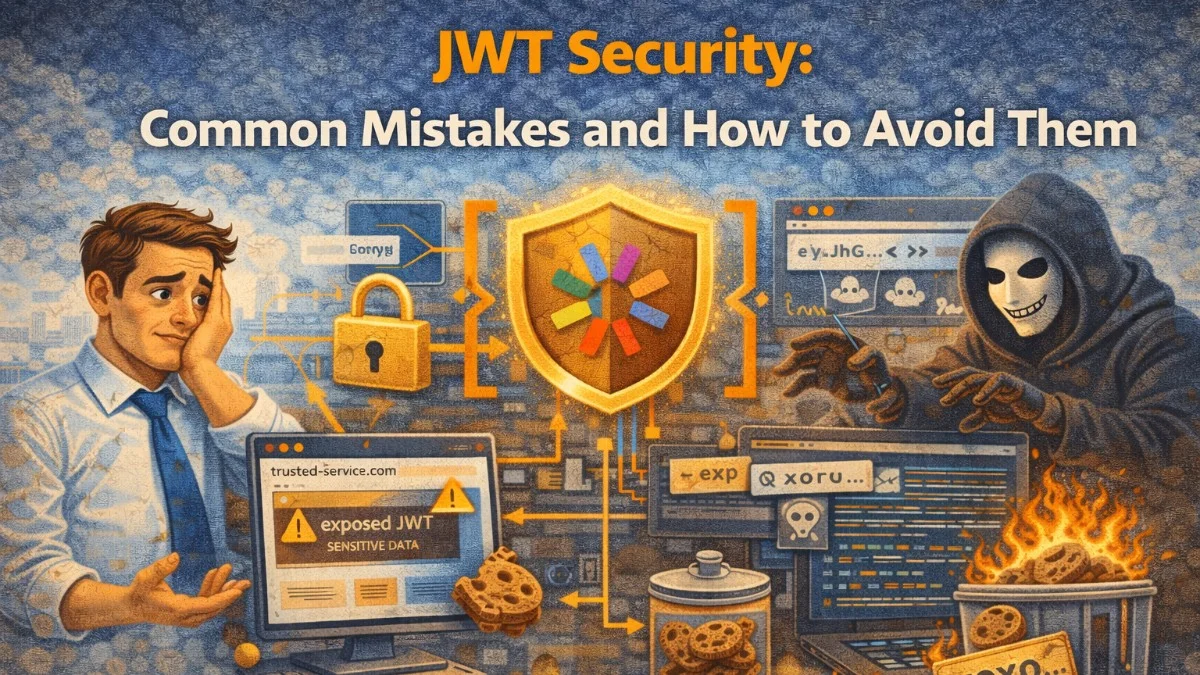
JWTs are widely used but widely misimplemented. These are the specific vulnerabilities that real applications contain and exactly how to fix them.
When a breach happens, you do not want to be making decisions under pressure. Build your incident response playbook now, while you can think clearly.
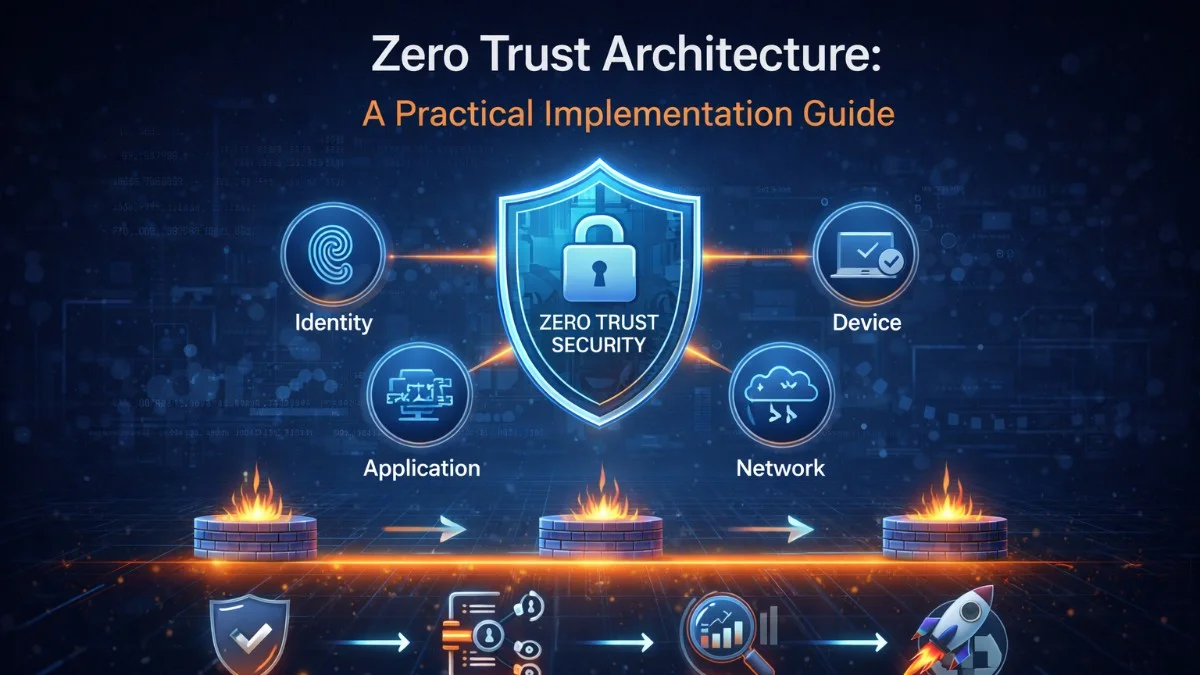
Zero Trust means never assuming any user, device, or network is safe by default. Here is how to move from the concept to actual implementation in a real application stack.
Let's discuss how we can help you build reliable software.
We use cookies to analyze site usage and improve your experience. By continuing to use this site, you agree to our use of cookies. Learn more about our privacy policy