
Why Milestone-Based Delivery Beats Hourly Billing
Hourly billing creates misaligned incentives. Here's why milestones work better for everyone.
Feb 8, 2026
1 min read
Insights on software development, technical strategy, and building reliable systems.
Hourly billing creates misaligned incentives. Here's why milestones work better for everyone.

The statistic is sobering: 70% of software projects fail to deliver on time, on budget, or on scope. Here's what causes these failures and how to prevent them.

Technical debt is inevitable, but it doesn't have to be unmanageable. Learn strategies for keeping it under control.

They wanted a massive custom platform. During our paid assessment, we realized 70% of what they needed already existed. We recommended NOT taking their money. Here's what happened next.

Average cost of a data breach for small businesses: $120K-$150K. 60% close within 6 months. A security audit costs $3-5K. The math writes itself.

This is the question every founder should ask their agency. Here's our answer — and why most agencies won't give you one.

You built 20 features. Users use 4. Before building more features, understand why existing ones aren't being used. Analytics are cheaper than new development.

When 7 stakeholders have equal say in design decisions, you get a Frankenstein app. Here's why singular vision beats collaborative chaos.

Before any code is written, we run a discovery audit across 19 categories. This catches 80% of the surprises that derail projects.
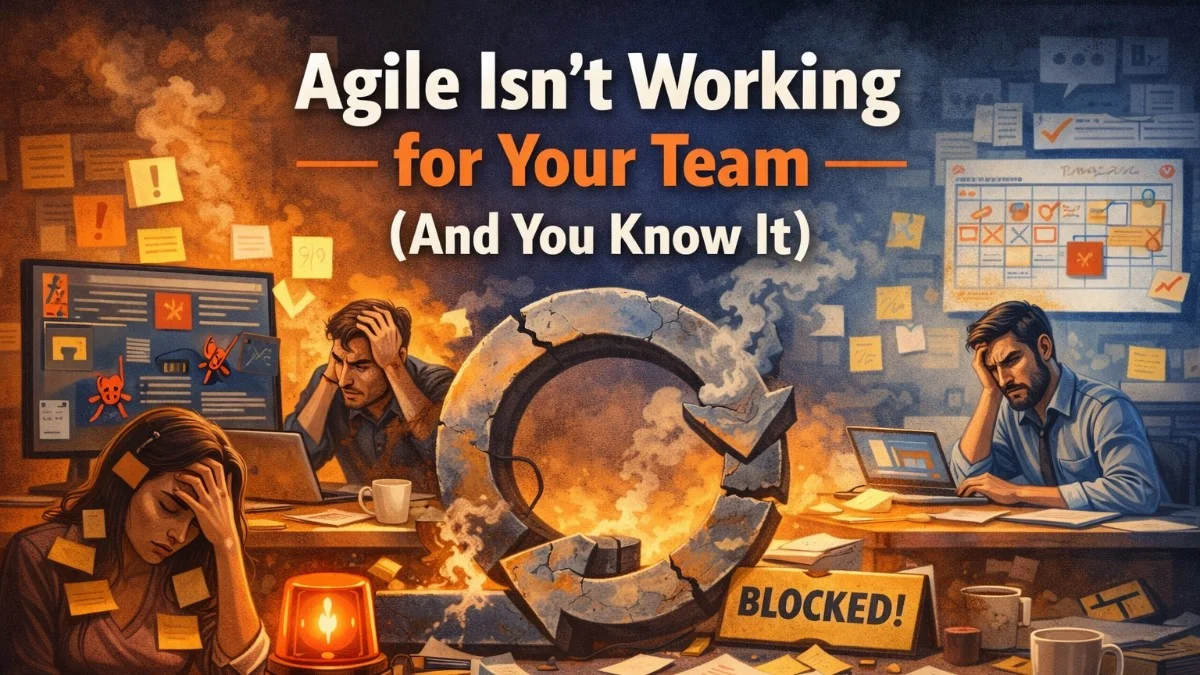
Agile was designed for product teams iterating on their own software. Most agencies butchered it into a billing mechanism that wastes everyone's time.

Your board doesn't care about technology. They care about returns. Here's the framework that gets software investments approved.

Built a quick MVP to validate an idea. It worked. Now it's serving real customers with real money. But the code was never meant for this. The MVP tax is real.
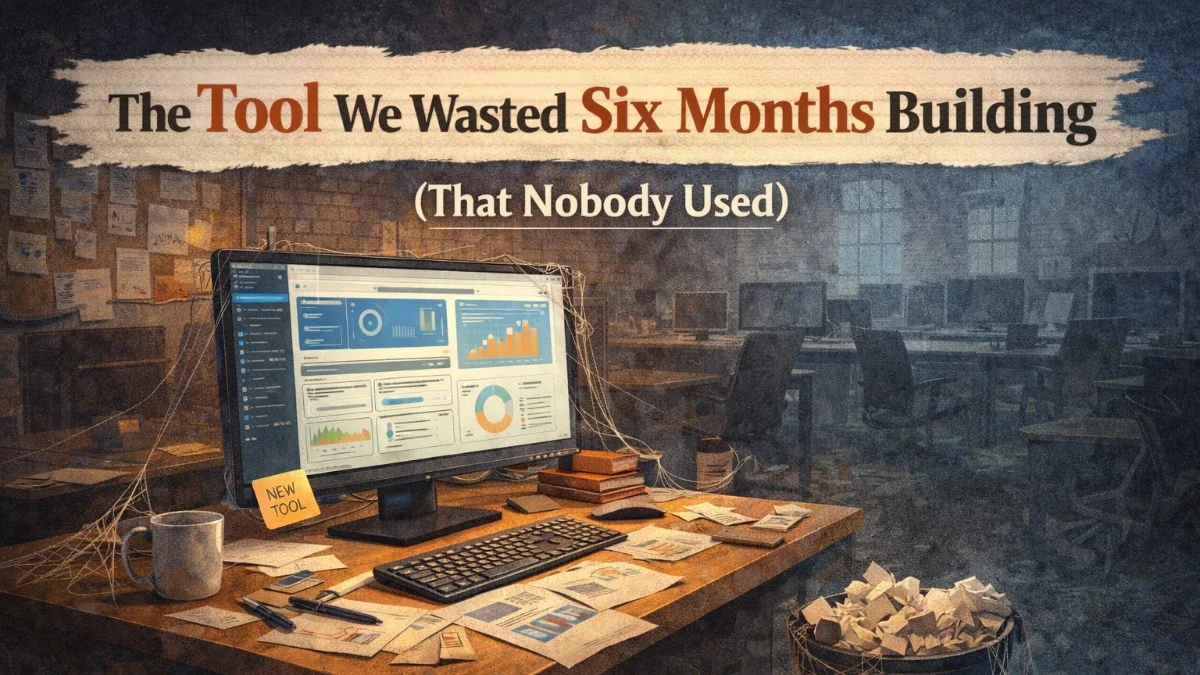
We spent six months building an internal project management tool because nothing on the market did exactly what we wanted. Beautiful UI. Nobody used it.
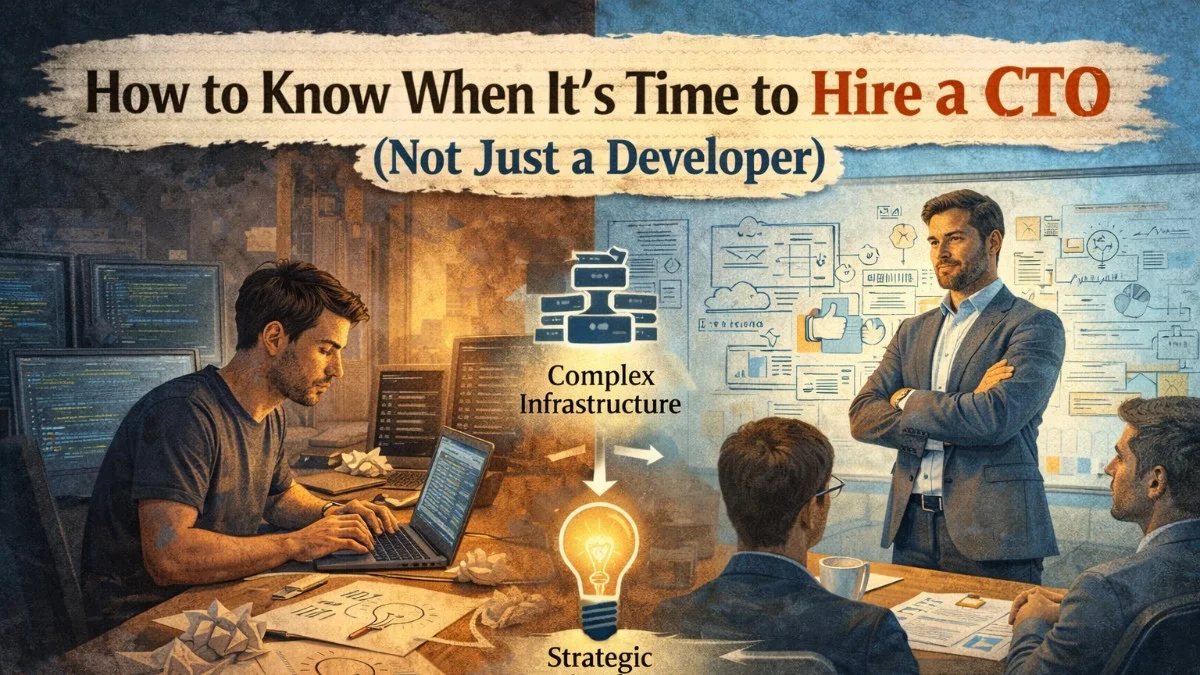
You need a CTO when technology decisions affect business strategy, you're managing multiple developers without technical leadership, or your tech debt is growing faster than features.

Not everything needs improvement. The hardest skill in software development is knowing when to stop. Here's how to decide what needs work and what needs nothing.
Let's discuss how we can help you build reliable software.
We use cookies to analyze site usage and improve your experience. By continuing to use this site, you agree to our use of cookies. Learn more about our privacy policy